

When Roof Repairs Stop Working: Practical Indicators That a Full Replacement May Be Needed

After more than 40 years in roofing, certain signs tend to repeat...When multiple issues appear at once, patching individual areas usually delays a larger problem rather than solving it”
WISCONSIN RAPIDS, WI, UNITED STATES, February 10, 2026 /EINPresswire.com/ -- Roofing systems are designed to withstand years of exposure to weather, temperature shifts, and structural movement. Over time, however, even well-maintained roofs reach a point where isolated repairs no longer address underlying issues. Recognizing when a roof requires more than a patch helps prevent escalating damage, interior moisture problems, and unexpected structural repairs.— Thad Brown
One of the most common warning signs involves recurring leaks. Occasional, isolated leaks may result from localized damage such as flashing failure or a displaced shingle. When leaks reappear in the same area after multiple repairs, the issue often extends beyond the surface. Water intrusion can travel beneath roofing materials, saturating underlayment or decking before becoming visible inside the structure. Repeated repairs in these situations tend to treat symptoms rather than causes.
Widespread shingle deterioration is another indicator. Curling, cracking, blistering, or missing granules across large sections of a roof suggest material fatigue rather than isolated damage. Asphalt shingles lose flexibility as they age, making them more susceptible to wind uplift and moisture penetration. When deterioration appears across multiple roof planes, patching individual areas may no longer restore overall performance.
Sagging or uneven rooflines point to structural concerns that require immediate evaluation. Roof decking weakened by prolonged moisture exposure may lose load-bearing capacity, resulting in visible dips or waves. This condition often indicates that water intrusion has been occurring for an extended period. Surface repairs do not address compromised structural components beneath the roofing system.
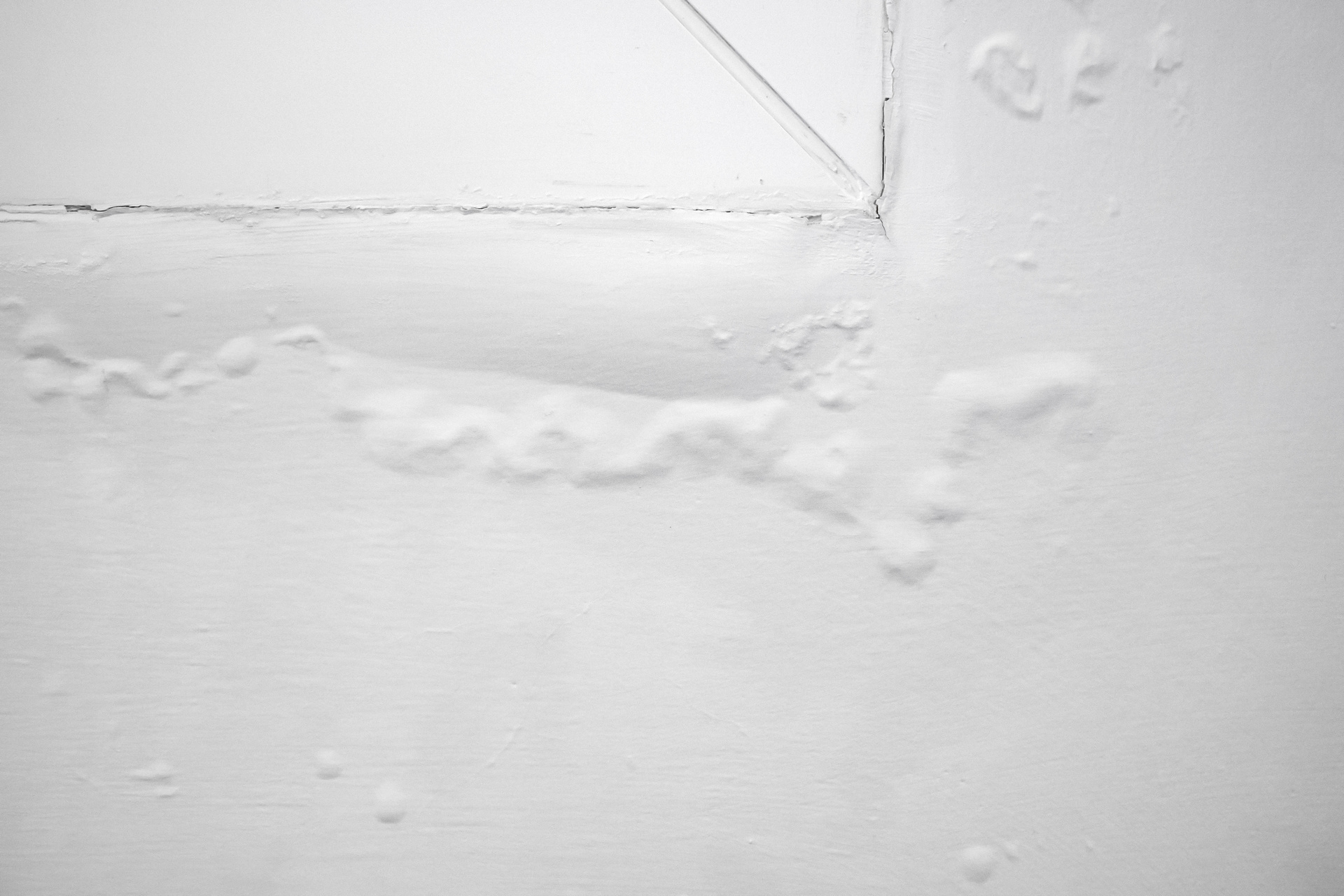
Interior indicators frequently provide early clues. Stains on ceilings or walls, peeling paint, or warped trim may signal moisture intrusion even when active leaks are not visible. Mold or mildew odors in attic spaces suggest persistent humidity problems that may originate from roofing failures, ventilation issues, or both. Addressing surface damage without correcting the source allows moisture-related deterioration to continue.
Flashing failure around chimneys, vents, and roof transitions can also signal broader issues. While flashing repairs are common, repeated failure at multiple penetrations may indicate that surrounding materials have aged beyond effective repair. Roofing systems rely on integrated components working together; when several elements begin failing simultaneously, overall system integrity becomes questionable.
Granule accumulation in gutters and downspouts provides another measurable sign of roof aging. Granules protect shingles from ultraviolet exposure and mechanical wear. Excessive granule loss reduces water shedding efficiency and accelerates material breakdown. While some granule loss is expected over time, significant accumulation often coincides with declining roof performance.
Energy efficiency changes may also reflect roofing issues. Inadequate insulation or compromised roofing materials can allow heat transfer that affects interior comfort and energy usage. Attic temperature irregularities or increased condensation may indicate that the roofing system no longer performs as intended, particularly when combined with aging ventilation components.
Roof age remains a critical consideration. Most roofing materials are engineered for a defined service life under typical conditions. Roofs approaching or exceeding that range are more likely to experience systemic failure rather than isolated damage. While maintenance can extend usability, aging materials eventually lose the ability to perform reliably regardless of repair frequency.
Severe weather exposure often accelerates these issues. Hail, high winds, heavy snowfall, and rapid freeze-thaw cycles place cumulative stress on roofing systems. After repeated storm exposure, damage may become widespread even if it appears minor from ground level. Professional inspections following severe weather events help determine whether repairs remain viable or if replacement provides greater long-term stability.
Thad Brown, owner and founder of Dynamic Alliance Roofing LLC in Wisconsin Rapids, notes that experience often reveals patterns not immediately visible. “After more than 40 years in roofing, certain signs tend to repeat,” said Thad Brown. “When multiple issues appear at once, patching individual areas usually delays a larger problem rather than solving it.”
Inspection frequency plays a role in identifying these conditions early. Regular evaluations allow changes in roof condition to be tracked over time, making it easier to distinguish between isolated damage and system-wide decline. Documentation of repairs and observed conditions supports informed decision-making when assessing repair versus replacement options.
Cost considerations also influence evaluation. While repairs may appear less expensive initially, repeated service calls and interior damage repairs can exceed the cost of a full replacement over time. Evaluating total lifecycle costs rather than immediate expenses provides a clearer picture of long-term impact.
Building use and occupancy further affect roofing decisions. Residential, commercial, and mixed-use structures place different demands on roofing systems. Load requirements, ventilation needs, and interior environmental controls all interact with roof performance. A solution appropriate for one structure type may not suit another once materials begin to degrade.
Understanding when a roof needs more than a patch involves observing patterns rather than isolated events. Recurring leaks, widespread material failure, structural changes, and interior moisture indicators often point toward system-level issues. Addressing these signs promptly helps reduce risk, manage costs, and protect the structure beneath the roof.
Roofing systems are long-term investments in building protection. Recognizing practical warning signs allows property owners and managers to move from reactive repairs to planned solutions. When repair efforts no longer restore reliable performance, replacement becomes a matter of risk management rather than preference.
Morgan Thomas
Rhino Digital, LLC
+1 504-875-5036
email us here
Visit us on social media:
Facebook
Legal Disclaimer:
EIN Presswire provides this news content "as is" without warranty of any kind. We do not accept any responsibility or liability for the accuracy, content, images, videos, licenses, completeness, legality, or reliability of the information contained in this article. If you have any complaints or copyright issues related to this article, kindly contact the author above.
